
A DIVE INTO THE CURRENT STATE OF ART IN ANIMATION IN CHILE
Looking back into my presentation about Gabriel Osorio and Punkrobot Studio, I thought I’d explore why I chose that studio for this entry, but more so, why does it stand out in Chile’s animation industry, given its historical context and current state of art.
When I first got this assignment, I struggled to think of standout Chilean animators. In my hometown, people joke a lot about the poor state of the local animation (and creative) industry as a whole, which, sadly, it is kind of a reality. Low salaries, scarce government grants and opportunities, lack of infrastructure and cultural biases against animation are some of the challenges Chile’s animation and creative industry is currently facing.
Although government like CNTV funding exist, they are scarce and highly competitive, and private investors and production studios hesitate to fund animation due to long production time and high costs, leading to a market that prioritizes live-action content for films and telenovelas, leaving animation in a niche position, and therefore, a lack of stable jobs in the industry, forcing artists to rely on freelancing and commission work, often for international clients.
Over the past decades, Chile has faced multiple historical setbacks. During the dictatorship (1973-1989) artistic expression was heavily censored– many artists were exiled or silenced, and animation was mostly used for government propaganda. Animation was a niche, underground form of art.
After democracy was restored in 1988 with Pinochet’s referendum, and now software like Flash and 3D animation tools became accessible, there was a rise of local television animation with shows like Villa Dulce (2004) and Diego y Glot (2005) which depicted daily life in different areas of Santiago, and one of Chile’s first animated feature films, Ogú y Mampato en Rapa Nui (2002) which included a mix of 2D and CG animation by the studio Cineanimadores.
The film gained global recognition for its exotic ambiance in Easter Island with distribution by Disney in different Hispanic countries and was Chile’s official submission for the Academy Award For Best Foreign Language Film, but it did not advance to the final nominations.
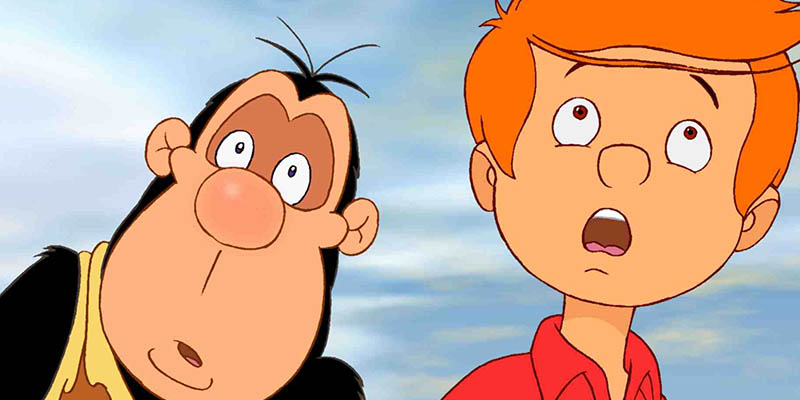
Despite the global success of this film and more to come, none of these films generated enough profit to justify a sequel or encourage more Chilean films since all of these projects rely solely on government funding but there’s not a sustainable industry model that allow steady income to produce more films.
Later on, Punkrobot studio was founded and, despite all these challenges and making the best out of their resources, released the short film “Bear Story” in 2014, which, with a narrative inspired in Osorio’s grandfather story during the military regime, won the first Academy Award for Animation in Latin America, which then led them to work with Disney & Lucasfilm in Star Wars: Visions Volume 2 in 2021, which not only is a huge achievement in itself but also gave a chance to put their Chilean cultural perspective and history into the Star Wars universe, proving that the animation industry does have the talent and potential to thrive on a global scale.
Leave a Reply