
I believe that we are living in a particularly unique moment to become an animator, both in terms of accessibility to learn and the growing value of independent artistic identity. Professional knowledge that was once difficult to access is now widely available online through tutorials, livestreams, production breakdowns, and educational platforms created directly by industry professionals. As a result, it has arguable never been easier for aspiring animators to study high-level animation techniques and workflows from artists whose work has shaped major films and studios, such as Disney.
Throughout the production of this film, online learning became a major part of my development process. I regularly revisited educational material and production breakdowns created by professionals such as Aaron Blaise and James Baxter, as referenced before. What makes these resources particularly valuable is not only the technical information itself, but the level of transparency and “demystification” of their process in things like inbetweening, spacing, acting, etc.
More recently, this perspective has been reinforced by a broader shift within the animation community regarding the value of human-made work. As automation and AI-generated imagery become more widespread, there has been a noticeable cultural response emphasising the importance of intentionality, authorship, consistency and artistic experience. I am a strong believer that our art is the culmination of our experiences as human beings. Our story, culture, things we like, things we’ve seen, even personality are things that one way or another are expressed through our art, and that’s what makes it unique. Us people, are unique. In this context, I find it particularly relevant that Aaron Blaise has also highlighted the significance of this moment for artists. As he states, “there’s never been a better time to be an independent animator” (Blaise, 2026), referring to the combination of accessible tools, global learning resources, and the increasing value placed on human creativity in contrast to synthetic or automate image generation.
I strongly relate to this viewpoint, particularly in relation the current “AI slop” era, where large volumes of generated content have led many audiences to become more aware of the difference between automated output and intentional artistic craft. Rather than diminishing the role of animators, this shift has, in some cases, circled back and reinforced the appeal of work that carries individual artistic identity.
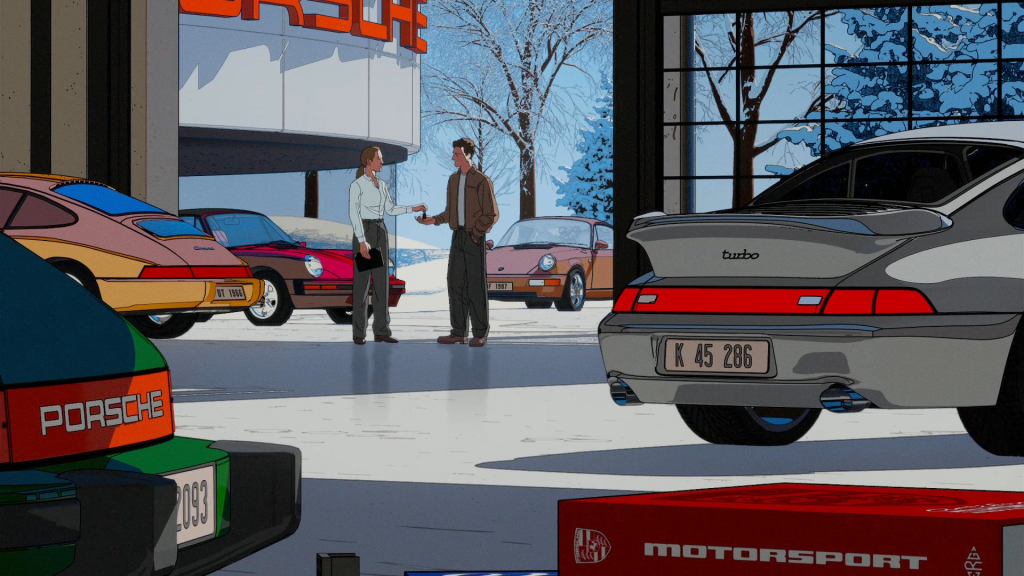
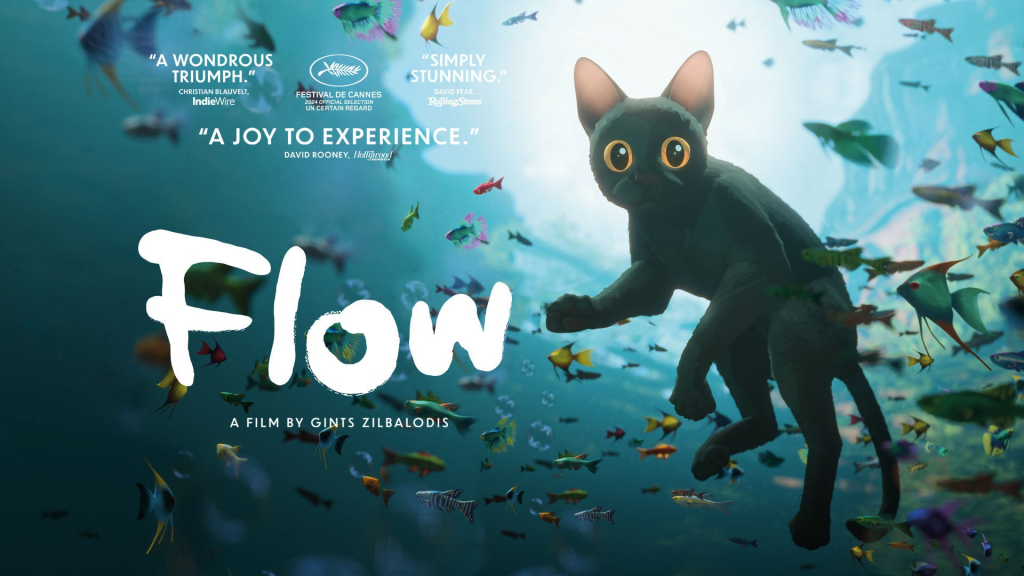
This is reflected in wider industry and audience responses, where even commercial studios are increasingly emphasising handcrafted approaches in their branding and advertising such as Porche’s Porsche Holiday | The Coded Love Letter, a recent animated campaign produced by Studio Parallel that foregrounds human-made animation as a marker of quality and prestige, rather than relying on fully automated generation (Studio Parallel, 2025). Similarly, independent productions such as Flow by Gints Zilbalodis demonstrate how small teams can now produce internationally recognised work using accessible tools such as Blender, reinforcing the idea that independent animation is becoming increasingly visible (Zilbalodis, 2025).
Personally, this combination of accessibility and cultural shift has been highly motivating, reinforcing my decision to continue developing more technically and artistically, while also maintaining a strong independent creative practice alongside engagement with industry workflows.
References
Blaise, A. (2026) There’s Never Been a Better Time to Be an Independent Animator (Here’s Why). YouTube. Available at: https://www.youtube.com/watch?v=1WRfa6TDyU0 (Accessed: 23 May 2026).
Studio Parallel (2025) Porsche Holiday | The Coded Love Letter. YouTube. Available at: https://www.youtube.com/watch?v=b596NIgNFWI (Accessed: 23 May 2026).
Zilbalodis, G. (2025) From Self-Taught Animator to Oscar Winner: Gints Zilbalodis on Creating “Flow”. YouTube. Posted by School of Motion, 5 March. Available at: https://youtu.be/LAz7tS1b68s (Accessed: 23 May 2026).
Leave a Reply